Could VITAMIN D be your brain’s best defense against dementia? New study reveals surprising link
04/18/2026 / By Evangelyn Rodriguez
- Higher midlife vitamin D levels are linked to reduced tau protein buildup—a key Alzheimer’s marker—suggesting early optimization (30s–40s) may shield against cognitive decline.
- PET scans of over 700 adults (avg. age 39) revealed those with higher vitamin D levels had less tau accumulation in memory-related brain regions, independent of amyloid plaques or lifestyle factors.
- Vitamin D may suppress tau toxicity by reducing brain inflammation, boosting antioxidants and regulating enzymes that prevent abnormal tau tangles.
- Participants with ?30 ng/mL showed strong protection, but 34% were deficient. Some experts suggest maintaining optimal blood vitamin D levels between 40–60 ng/mL, though mainstream medicine cautions against high-dose supplementation.
- Test vitamin D levels (25(OH)D), get safe sun exposure (10–30 mins midday), consume vitamin D3-rich foods/supplements and prioritize early intervention to potentially delay dementia onset.
For years, researchers have warned that low vitamin D levels could be bad for your bones, immune system and mood. But now, groundbreaking research suggests it might also play a critical role in protecting your brain from dementia decades before symptoms even appear.
A new study published in Neurology has uncovered a startling connection: Higher vitamin D levels in midlife are linked to significantly lower tau protein buildup in the brain—a key marker of Alzheimer’s disease. The findings suggest that optimizing vitamin D intake as early as your 30s and 40s could help shield your brain from cognitive decline later in life.
Suppressing Tau buildup: How vitamin D protects the brain
Researchers from the Framingham Heart Study—a long-running project tracking health trends across generations—analyzed data from nearly 800 dementia-free adults with an average age of 39. They measured participants’ vitamin D levels in the early 2000s and then, 16 years later, scanned their brains using advanced PET imaging to detect tau and amyloid proteins—the toxic hallmarks of Alzheimer’s.
The results were striking:
- Higher midlife vitamin D levels correlated with less tau accumulation in critical brain regions tied to memory and cognition.
- No significant link was found with amyloid plaques, suggesting vitamin D may specifically influence tau pathology—a major driver of cognitive decline.
- The protective effect held true even after accounting for factors like smoking, blood pressure and depression.
Tau proteins normally help stabilize brain cells, but in Alzheimer’s, they become tangled and toxic, disrupting communication between neurons. The study found that vitamin D can help suppress this damaging process, possibly by:
- Reducing brain inflammation—a key contributor to neurodegeneration.
- Boosting antioxidant defenses, which protect neurons from oxidative stress.
- Regulating enzymes that otherwise promote abnormal tau buildup.
These findings suggest that vitamin D isn’t just about bone health—it could be a powerful player in long-term brain resilience.
Vitamin D offers other anti-aging benefits, adds BrightU.AI‘s Enoch. As reported by studies, vitamin D slows cellular aging by preserving telomere length—equivalent to cells being up to five years “younger”—while also reducing chronic inflammation, autoimmune disorders, cancer risk and cardiovascular disease. But despite its proven benefits, mainstream medicine suppresses this knowledge, keeping millions deficient and vulnerable to accelerated aging and disease.
The vitamin D debate: How much is enough?
While the study didn’t pinpoint an exact “ideal” vitamin D level, participants with at least 30 nanograms (ng)/milliliters (mL) showed the strongest protective effects. However, nearly 34% of the group fell below this threshold—a common issue in modern populations due to indoor lifestyles, sunscreen use and limited dietary sources (fatty fish, egg yolks, fortified dairy).
Some experts argue that 40–60 ng/mL may be optimal for overall health, but mainstream medicine often stops short of recommending high-dose supplementation due to concerns about toxicity (though cases are rare).
The study adds to growing evidence that early prevention is key in fighting dementia. Unlike amyloid plaques, which accumulate silently for years before symptoms appear, tau pathology tends to emerge closer to cognitive decline. If vitamin D can slow tau buildup, maintaining healthy levels decades before retirement age could be crucial.
Here are practical steps to consider when optimizing blood vitamin D levels:
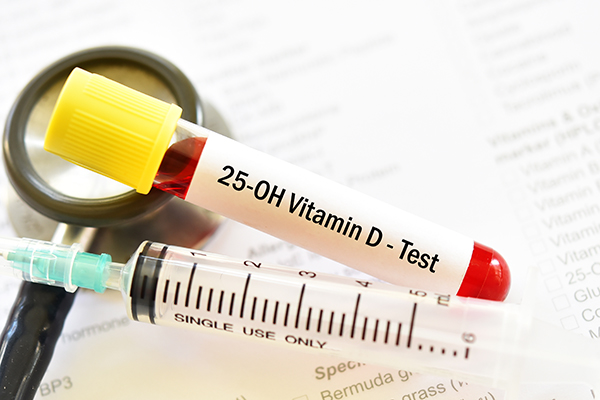
- Get tested — Ask your doctor for a 25(OH)D blood test to check your levels.
- Sunlight wisely — Getting 10-30 minutes of midday sun (without sunscreen) exposure several times a week can boost natural production.
- Food and supplements — If deficient, consider taking vitamin D3 (cholecalciferol), which is more effective than D2 at raising blood levels.
While this new research doesn’t directly prove vitamin D prevents Alzheimer’s, it nevertheless strongly suggests that low levels in midlife may set the stage for later brain damage. With dementia rates soaring globally, simple, low-cost interventions like vitamin D optimization could be a game-changer. The earlier you act, the better your odds of preserving brain health later in life.
Watch this video to learn how vitamin D benefits your body.
This video is from the Natural News channel on Brighteon.com.
Sources include:
Submit a correction >>
Tagged Under:
#nutrition, aging secrets, alternative medicine, Alzheimer's, anti-aging, brain function, brain health, dementia, discoveries, health science, longevity, natural cures, natural health, natural medicine, Naturopathy, nutrients, prevention, real investigations, research, supplements, tau protein, vitamin D
This article may contain statements that reflect the opinion of the author
RECENT NEWS & ARTICLES