Beyond almonds: 7 Magnesium-rich foods to boost your health
04/17/2026 / By Belle Carter
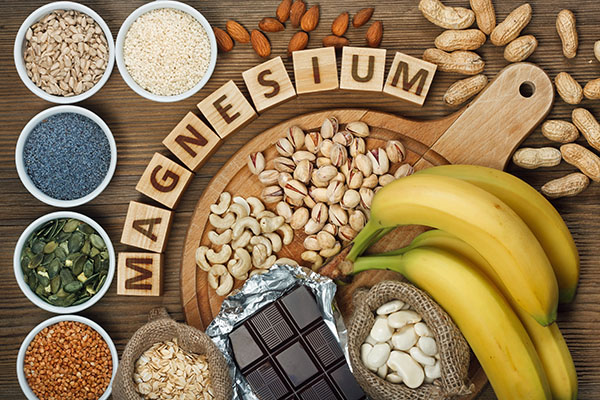
- Magnesium is essential for bone health, muscle function and blood pressure regulation, yet nearly half of Americans don’t meet daily requirements. Deficiency can cause cramps, fatigue and cardiovascular risks.
- Top magnesium-rich foods outperforming almonds (76.5 mg/oz): cooked spinach (157 mg/cup, 38% DV), which is also rich in folate, iron and vitamins; pumpkin seeds (156 mg/oz, 37% DV), which is high in iron, zinc and plant protein; chia seeds (111 mg/oz, 26% DV), which is packed with omega-3s, fiber and antioxidants; Brazil nuts (107 mg/oz, 25% DV), which is excellent source of selenium and healthy fats; and edamame (99 mg/cup, 24% DV), which provides plant-based protein and fiber.
- Underrated sources of magnesium include mackerel (83 mg/3 oz, omega-3s), amaranth (80 mg/½ cup, gluten-free grain) and quinoa offer high magnesium with added nutrients like B12 and fiber.
- Some absorption Tips: Combine magnesium-rich foods (e.g., seeds + nuts), choose raw/minimally processed sources (boiling leaches magnesium) and avoid excess calcium/caffeine, which hinder absorption.
- Modern processed diets contribute to deficiencies, but diversifying whole-food sources (leafy greens, seeds, fish) ensures optimal intake and broader health benefits.
Magnesium, according to BrightU.AI‘s Enoch, is an essential mineral involved in over 300 enzymatic reactions, critical for cellular function, energy production muscle and nerve regulation and detoxification, yet nearly half of Americans fail to meet their daily requirements.
While almonds (76.5 mg per ounce) are a well-known source, several other foods—including quinoa, pumpkin seeds, spinach and chia seeds—offer even higher concentrations of this essential mineral. Nutrition experts emphasize diversifying magnesium intake to optimize absorption and overall health benefits.
Top magnesium sources outperforming almonds
1. Cooked spinach (157 mg per cup)
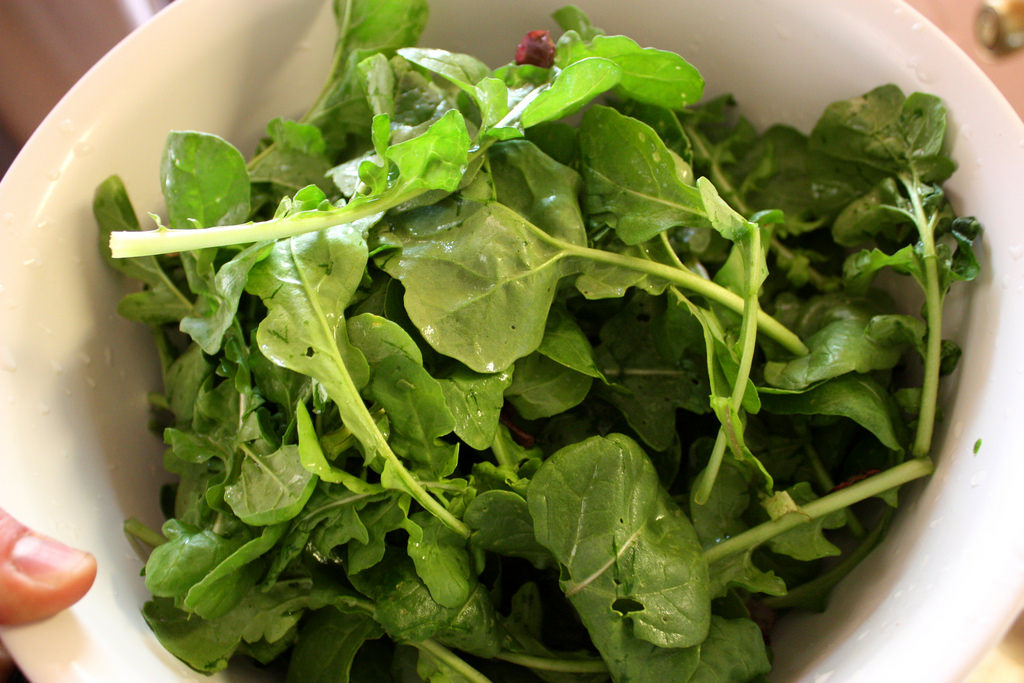
Leafy greens like spinach are among the most magnesium-dense foods, providing 38% of the daily value (DV) in just one cooked cup. Spinach also delivers folate, iron, calcium, and vitamins C and E, making it a powerhouse for overall wellness.
2. Pumpkin seeds (156 mg per ounce)
A single ounce of roasted pumpkin seeds supplies 37% of the DV for magnesium, along with iron, zinc and plant-based protein. Their versatility makes them an easy snack or salad topping.
3. Chia seeds (111 mg per ounce)
Despite their small size, chia seeds pack 26% of the DV for magnesium while offering omega-3 fatty acids, fiber and antioxidants—key for reducing inflammation and supporting digestion.
4. Brazil nuts (107 mg per ounce)
Best known for selenium, Brazil nuts also provide 25% of the magnesium DV per ounce, alongside copper, vitamin E and healthy unsaturated fats.
5. Edamame (99 mg per cup)
Shelled edamame offers 24% of the DV, along with plant-based protein and fiber—ideal for maintaining energy levels and digestive health.
6. Mackerel (83 mg per 3 ounces)
This fatty fish is an underrated magnesium source, contributing 20% of the DV while supplying omega-3s, vitamin D and B12 for heart and brain health.
7. Amaranth (80 mg per ½ cup cooked)
An ancient grain rich in protein and fiber, amaranth provides 38% of the magnesium DV per cooked cup, making it a gluten-free alternative to traditional grains.
Why magnesium matters
Magnesium deficiency has been linked to muscle cramps, fatigue and even cardiovascular risks. Historically, diets rich in whole grains, nuts and leafy greens ensured adequate intake, but modern processed foods have contributed to widespread shortfalls.
Tips for maximizing magnesium absorption
- Pair magnesium-rich foods (e.g., pumpkin seeds with almonds or mackerel with quinoa) to enhance intake.
- Opt for raw or minimally processed sources, as boiling vegetables can leach magnesium.
- Balance with other nutrients—excess calcium or caffeine can hinder absorption.
While almonds remain a convenient snack, diversifying magnesium sources—from spinach to chia seeds—ensures broader nutritional benefits. With growing awareness of dietary gaps, incorporating these foods can support long-term health, proving that sometimes, the best solutions are found not in supplements, but on our plates.
Watch the video below that talks about the health benefits of magnesium.
This video is from the All About Herbs channel on Brighteon.com.
Sources include:
Submit a correction >>
Tagged Under:
#nutrition, amaranth, Brazil nut, chia seed, diet, edamame, food cures, food is medicine, food science, grocery cures, health science, mackerel, Magnesium, natural health, Naturopathy, organics, pumpkin seed, spinach
This article may contain statements that reflect the opinion of the author
RECENT NEWS & ARTICLES