Caffeine’s edge for female athletes: New research suggests benefits for agility and power
07/01/2026 / By Evangelyn Rodriguez
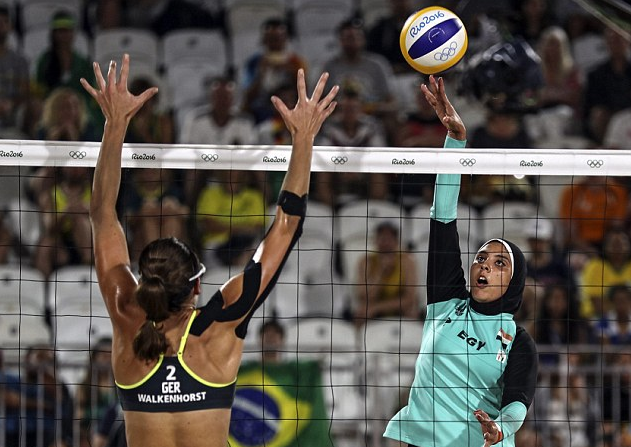
- Caffeine improves agility and vertical jump in female athletes in intermittent sports (handball, volleyball, basketball), with small-to-moderate effects at doses of 3–6 mg/kg body weight taken 60 minutes before exercise.
- Sprint performance showed no significant improvement, possibly due to caffeine’s mechanisms not translating to maximal short-burst efforts.
- Menstrual cycle phase effects were unclear: Agility gains appeared more pronounced in the follicular phase, but between-phase comparisons were not statistically significant.
- All nine studies relied on calendar tracking or self-reported apps, preventing firm conclusions about cycle-specific timing.
- Current evidence does not support cycle-synced caffeine recommendations; caffeine is a legitimate ergogenic aid for female athletes in these sports, but more research is needed.
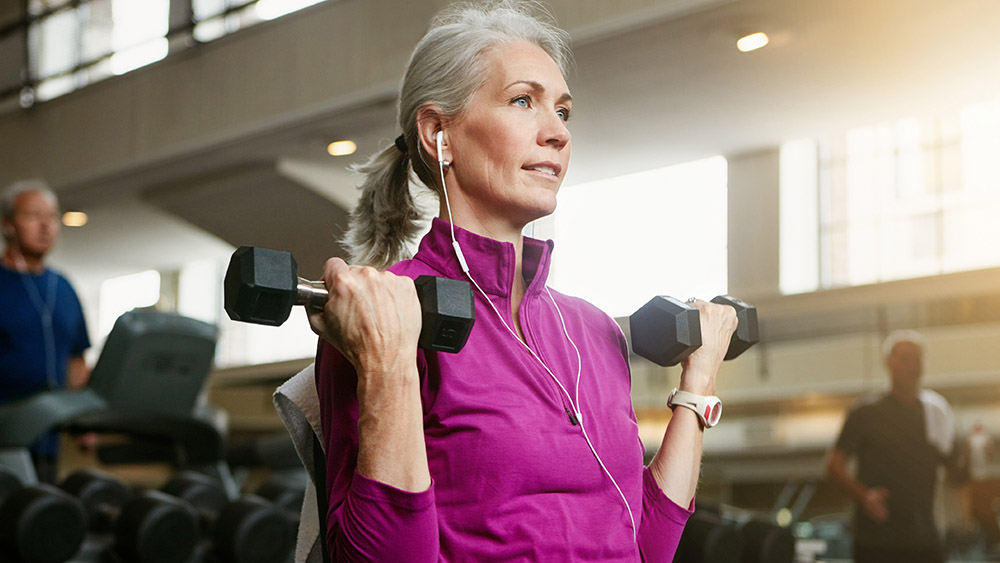
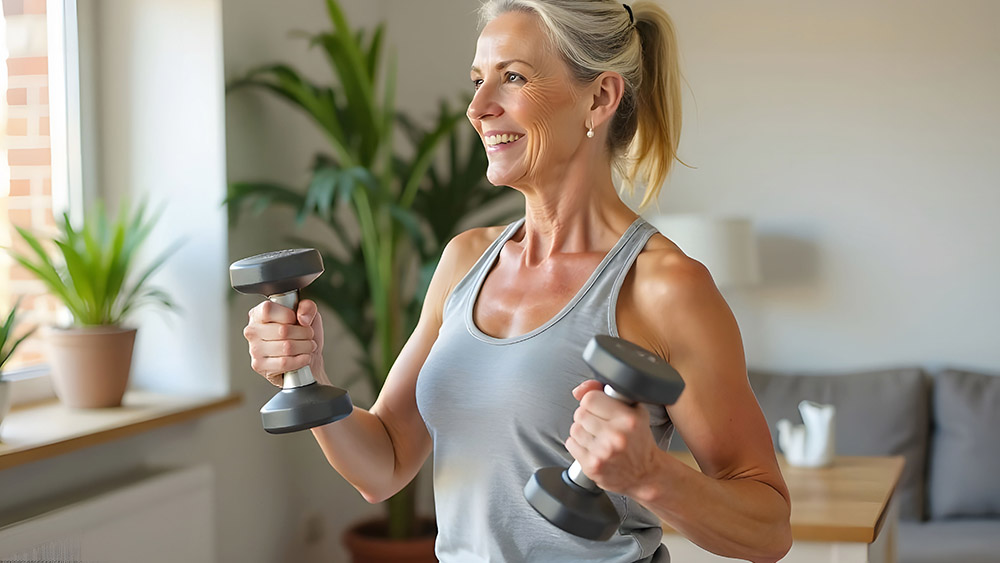
A new systematic review and meta-analysis published in Frontiers in Nutrition investigated whether caffeine supplementation improves performance outcomes in female athletes competing in intermittent sports. Researchers examined nine studies involving 118 athletes across handball, volleyball and basketball. They also explored–for the first time in a systematic way–whether menstrual cycle phase influences those effects. The findings, presented at a time when sports nutrition is slowly beginning to account for female physiology, offer both clear guidance and significant limitations.
Caffeine’s effects on female physical performance
Caffeine has been one of the most studied ergogenic aids in sports science, with research dating back decades. Studies have emphasized caffeine’s role in enhancing both aerobic and anaerobic exercise performance, from swim events to long-distance running. The mechanisms are well understood: Caffeine raises catecholamine production, increasing both lipolysis and glycogenolysis, while also activating the central nervous system.
In 2006, researchers compared 6 milligrams (mg) per kilogram (kg) of body weight of caffeine with a placebo in amateur male athletes, finding that caffeine increased sprint performance by 8.5% and 7.6% over placebo in two 36-minute exercise sessions. But whether those effects translate to women, particularly in sports requiring quick directional changes and explosive power, has remained underexplored.
In the new meta-analysis, researchers included nine studies with a combined 118 female athletes competing in intermittent sports. Six of those studies contributed data to the meta-analysis. Performance outcomes measured included vertical jump height, agility and sprint speed. Caffeine doses across the studies ranged from 3 to 6 milligrams per kilogram of body mass, taken approximately 60 minutes before exercise.
The meta-analysis found that caffeine supplementation significantly improved two of the three performance outcomes measured. Agility improved, and vertical jump height improved, both considered small-to-moderate effects. Sprint performance, however, showed no significant effect.
That non-significant sprint finding is worth attention, researchers noted. Sprinting is a highly anaerobic, fast-twitch-dominant effort. The mechanisms through which caffeine typically helps, including adenosine receptor blockade and improved neuromuscular signaling, may not translate as cleanly to maximal short-burst efforts as they do to agility and power tasks.
Caffeine’s impact during menstrual cycle
The researchers also explored whether menstrual cycle phase plays a role in caffeine’s effects. Women’s sex hormones, estrogen and progesterone, fluctuate in a relatively predictable pattern during the menstrual cycle. Estrogen peaks during the follicular phase, a time when many women feel more energized and strong. It is also an anabolic hormone, meaning it helps build muscle and bone.
Progesterone, on the other hand, peaks during the luteal phase, and many women report feeling more fatigued during this window. BrightU.AI‘s Enoch engine also notes that rising progesterone levels often cause women to feel slowed down or moody, making it a natural time to reduce intense physical exertion. Progesterone has been shown to have catabolic effects on protein metabolism, meaning muscle protein breakdown could be higher during this time.
Based on this, it is reasonable to think that caffeine may impact the body differently across these phases. Within-phase subgroup analyses suggested that agility improvements were more pronounced in trials conducted during the follicular phase, the first half of the cycle when estrogen is rising. Luteal-phase effects were less consistent. This aligns with research on women and muscle gains, which has found that the follicular phase may represent a window of heightened physical responsiveness for some women.
However, the between-group comparison showed no statistically significant difference between phases. The researchers were careful to note the limitations of this data. None of the nine included studies verified menstrual cycle phase through hormonal testing. All of them relied on calendar tracking or self-reported cycle apps. Without confirmed hormonal status, it is difficult to draw firm conclusions about phase-specific effects. The researchers acknowledged that the evidence base is too small and too methodologically limited to support cycle-specific caffeine recommendations at this time.
Caffeine recommendations for female athletes
For athletes in sports like basketball, volleyball or handball, where quick directional changes and jump height matter, caffeine supplementation at the doses studied, 3 to 6 mg per kg of body mass taken about 60 minutes before activity, appears to offer a real performance edge. That translates to about 190 to 380 mg of caffeine for someone weighing 140 pounds, a decent amount that may not mesh well with everyone’s tolerance. As for cycle syncing caffeine intake, the current evidence does not support firm recommendations about timing supplementation to a specific phase.
The fact that this review could only identify nine eligible studies with 118 total participants speaks to how little research has been done on female athletes in this space. That gap is slowly closing, and studies like this one are an important step toward sports nutrition guidance that actually reflects women’s physiology. For now, the clearest takeaway is that caffeine is a legitimate ergogenic aid for women in intermittent sports, particularly for agility and explosive power like vertical jump. But the science on cycle-specific timing remains unsettled, and athletes should approach that question with curiosity rather than certainty.
Watch this video about coffee health benefits.
This video is from the BrightVideos channel on Brighteon.com.
Sources include:
Submit a correction >>
Tagged Under:
caffeine, coffee, exercise, female athletes, food cures, food is medicine, food science, health science, natural health, natural medicine, Naturopathy, physical performance, phytonutrients, research, sports, Women's Fitness, women's health
This article may contain statements that reflect the opinion of the author
RECENT NEWS & ARTICLES