The power of fresh herbs: Elevating flavor, nutrition and wellness in every meal
02/17/2026 / By Evangelyn Rodriguez
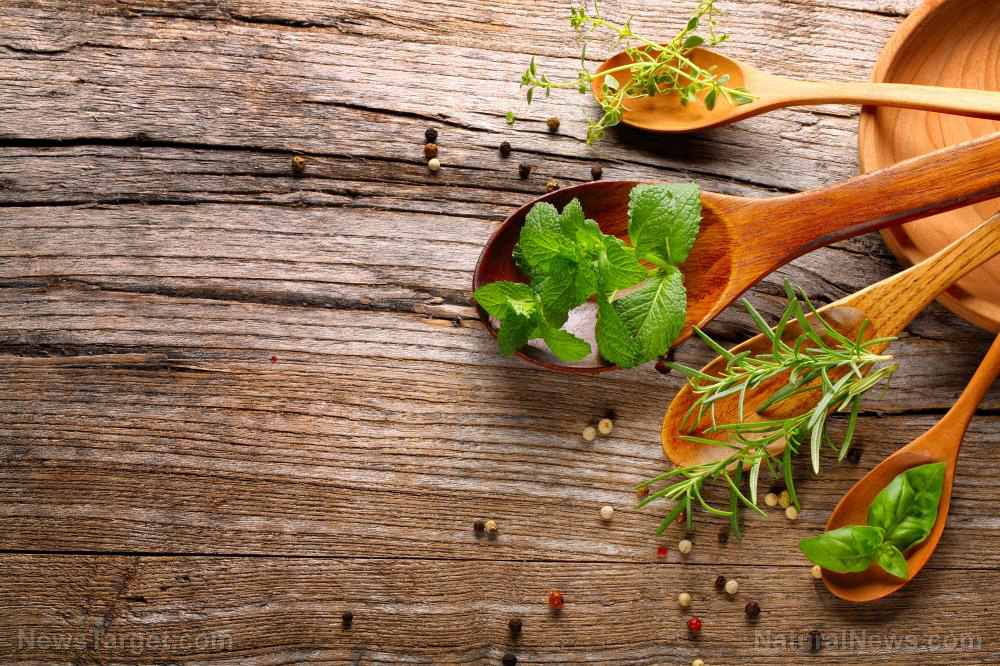
- Fresh herbs like basil, cilantro and rosemary enhance dishes with vibrant flavors and provide essential vitamins, minerals and antioxidants, supporting immune health and reducing inflammation.
- Herbs such as mint (digestion), thyme (immunity) and sage (sore throat relief) have been used for centuries in holistic medicine as natural remedies.
- Delicate herbs (basil, cilantro) are best used raw or added late in cooking, while hardy herbs (rosemary, thyme) withstand longer cooking times. Each pair uniquely with specific dishes.
- To extend freshness, store herbs in water (trimmed stems), refrigerate hardy varieties and preserve excess by drying, freezing or infusing into oils/vinegars.
- Use leftover herbs in soups, dips, skincare or compost spoiled greens—maximizing sustainability while honoring ancient culinary traditions.
Fresh herbs, whether plucked from a backyard garden or carefully selected from a grocery store aisle, have long been the unsung heroes of culinary arts and holistic wellness. From the citrusy brightness of cilantro to the earthy depth of rosemary, these vibrant greens do more than garnish dishes—they transform them. With roots tracing back thousands of years in both cooking and traditional medicine, herbs continue to offer modern cooks an easy way to enhance flavor, boost nutrition and reduce food waste.
Why herbs matter: Flavor, nutrition and healing
Fresh herbs are culinary powerhouses, capable of elevating even the simplest dishes. Their essential oils release aromatic compounds that enhance taste, balance richness and introduce contrast—think mint cutting through creamy sauces or parsley brightening a hearty stew. Beyond flavor, herbs are nutritional dynamos, packed with vitamins (C, K, A), minerals (iron, calcium) and antioxidants that combat inflammation and support immune health.
Historically, herbs have also played a medicinal role. Mint and rosemary aid digestion, thyme and oregano bolster immunity, and sage soothes sore throats. Unlike synthetic pharmaceuticals, herbs offer gentle, natural remedies—a tradition still upheld in many holistic health practices today.
Here’s a list of common kitchen herbs widely used in traditional medicine, according to BrightU.AI‘s Enoch engine:
- Garlic – Used for immune support, cardiovascular health and fighting microbial infections.
- Ginger – Aids digestion, reduces inflammation and relieves nausea.
- Turmeric – Known for anti-inflammatory and antioxidant effects, often used in Ayurveda.
- Peppermint – Supports digestion, relieves headaches and soothes respiratory issues.
- Rosemary – Enhances memory and circulation and has antimicrobial benefits.
- Thyme – Used for respiratory infections, coughs and as an antiseptic.
- Oregano – Potent antimicrobial and antifungal, historically used for infections.
- Sage – Supports cognitive function, sore throat relief and wound healing.
- Cinnamon – Balances blood sugar and has anti-inflammatory and antimicrobial activities.
- Basil – Promotes digestion, reduces stress and has antioxidant properties.
- Parsley – Detoxifying, supports kidney function and rich in vitamins.
- Dill – Aids digestion, reduces bloating and historically used to treat colic.
- Cilantro – Heavy metal detoxifier and digestive aid.
- Fennel – Relieves bloating, supports lactation and acts as a digestive tonic.
- Lavender – Calms nerves, aids sleep and has antiseptic properties.
These versatile herbs have been used for centuries across cultures and remain relevant in both traditional and modern herbalism.
Common herbs and how to use them in the kitchen
Culinary herbs fall into two main categories: delicate (soft) and hardy (hard).
Delicate herbs are best used raw or added at the end of cooking:
- Basil – Pairs well with tomatoes, pesto, strawberries
- Cilantro – Complements citrus, avocado, black beans
- Mint – Enhances watermelon, grains, herbal teas
- Parsley – Brightens garlic-heavy dishes, chickpeas, mushrooms
Hardy herbs withstand longer cooking times:
- Rosemary – Ideal for roasted potatoes, soups
- Thyme – Perfect with lentils, pasta dishes
- Sage – Elevates butternut squash, mushrooms
- Oregano – Essential in Mediterranean cuisine
Less common herbs—like sorrel, lemon balm and chervil—can be found at farmers’ markets or home gardens, offering unique flavors for adventurous cooks.
Selecting, storing and preserving fresh herbs
One challenge with fresh herbs is their short shelf life. Follow these tips to maximize their freshness:
When buying:
- Look for perky, bright green leaves.
- Farmers’ markets often provide fresher, preservative-free options than pre-packaged supermarket herbs.
- Consider potted “living herbs” for continuous supply.
When storing:
- Trim stems, remove wilted leaves and place herbs in a glass of water (like cut flowers).
- Change the water every few days.
- Delicate herbs (basil, mint) fare better at room temperature; hardy herbs (rosemary, thyme) can be refrigerated.
When preserving excess:
- Drying: Hang upside down or use a dehydrator. Store dried leaves in airtight containers for up to a year.
- Freezing: Flash-freeze on a tray before transferring to bags. Doing so keeps herbs usable for six months.
- Infusing: Add herbs to oils or vinegars for long-lasting flavor.
Creative ways to use leftover herbs
Avoid waste by incorporating herbs into:
- Soups, salads, dips and dressings
- Smoothies or juices
- Herb-infused oils and vinegars
- Homemade skincare (facial steams, scalp rinses)
Even spoiled herbs can be composted, closing the loop on sustainability.
Fresh herbs are more than fleeting garnishes—they are essential ingredients that elevate meals, enhance health and connect us to ancient culinary traditions. By mastering herb selection, storage and creative usage, home cooks can unlock the full potential of herbs, reducing waste while enriching every dish with vibrant, natural flavor. Whether tossed into a salad, blended into pesto or steeped in tea, herbs prove that the smallest ingredients often make the biggest impact.
Watch this video to learn how to integrate herbs into everyday use.
This video is from the BrightLearn channel on Brighteon.com.
Sources include:
Submit a correction >>
Tagged Under:
#nutrition, food cures, food is medicine, food science, Fresh, functional food, grocery cures, health science, herbal medicine, Herbs, natural cures, natural health, natural ingredients, natural medicine, Naturopathy, nutrients, organics, phytonutrients, tips
This article may contain statements that reflect the opinion of the author
RECENT NEWS & ARTICLES