From ancient remedy to modern superfood: The papaya’s powerful health renaissance
02/11/2026 / By Willow Tohi
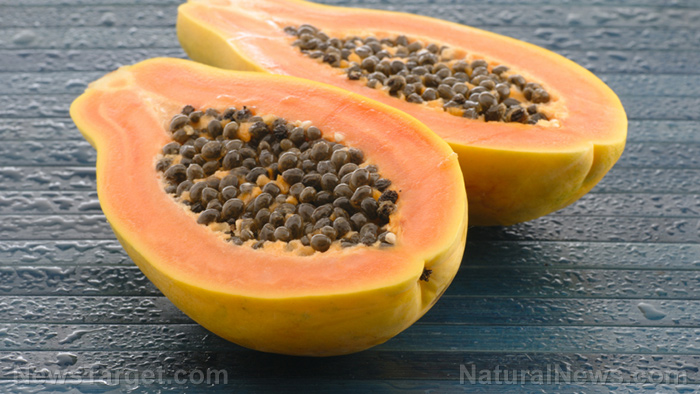
- Papaya is a nutrient-dense tropical fruit rich in vitamins C and A, fiber and the digestive enzyme papain.
- Its antioxidants, like lycopene, may support heart health, reduce inflammation and offer protection against certain diseases.
- The fruit can aid digestion, support skin and eye health, and may boost immune function.
- Both the flesh and seeds are edible, with ripe papaya being sweet and versatile in both sweet and savory dishes.
- Individuals with latex allergies should exercise caution, as unripe papaya contains latex-like compounds.
For centuries, from the indigenous cultures of the Americas to traditional healers across the tropics, the papaya has been revered not just as food but as medicine. Today, modern nutritional science is catching up, validating what ancient practices long suggested: this soft, orange-fleshed fruit is a powerhouse of nutrients with far-reaching benefits for digestion, immunity and chronic disease prevention. As consumers increasingly seek functional foods that offer more than just calories, the papaya is experiencing a renaissance, transitioning from an exotic grocery item to a staple in health-conscious diets for its dense concentration of vitamins, enzymes and antioxidants.
A fruit with deep roots and global reach
Papaya’s journey from a wild plant believed native to regions stretching from southern Mexico to South America to global produce aisles is a story of human cultivation and exploration. Indigenous peoples spread it throughout the Americas, and Spanish explorers carried it to the Caribbean and beyond. Its commercial cultivation in the United States began in Hawaii in the 1800s, which remains a primary producer alongside Mexico. This history underscores its adaptability and longstanding value, not merely as a sustenance crop but as an integral part of cultural foodways and natural wellness practices that are now being examined through a scientific lens.
A nutritional profile packed with potential
Beyond its sweet, melon-like flavor when ripe, papaya offers a compelling array of nutrients in a low-calorie package. A single cup provides well over 100% of the daily value for immune-boosting vitamin C and is a significant source of vitamin A from beta-carotene, crucial for vision and skin health. It delivers a suite of B vitamins, including folate, and essential minerals like potassium for heart health and magnesium. However, its standout component is papain, a potent proteolytic enzyme that breaks down proteins, making it a natural digestive aid. This combination of vitamins, minerals and unique enzymes forms the foundation of its purported health benefits.
Science-backed benefits for body and mind
Contemporary research points to several evidence-based advantages of incorporating papaya into a balanced diet. The enzyme papain directly aids protein digestion and may alleviate symptoms of bloating and constipation, while the high fiber and water content further support gastrointestinal regularity. Its rich cocktail of antioxidants—including lycopene, vitamin C and various carotenoids—helps combat oxidative stress, a key driver of inflammation and cellular damage linked to chronic illness.
- Studies suggest these antioxidants may contribute to reduced risks of heart disease by helping manage cholesterol and blood pressure, and protect eye health by potentially staving off age-related macular degeneration.
- Preliminary research, primarily involving fermented papaya extract, indicates a potential role in reducing oxidative damage associated with neurodegenerative conditions like Alzheimer’s disease, though more human trials are needed.
- Topically, the vitamins and antioxidants in papaya flesh are celebrated in skincare for promoting collagen production and mitigating visible signs of aging.
Navigating selection, consumption and cautions
To reap the full benefits, selecting and storing papaya correctly is key. A ripe fruit typically has skin that is mostly yellow-orange and yields slightly to gentle pressure. Unripe, green papaya will ripen at room temperature and is commonly used in savory dishes like Southeast Asian salads and curries. Once ripe, refrigeration will preserve it for several days. Every part of the fruit is usable: the sweet flesh is perfect for smoothies, salsas, or eaten plain; the peppery seeds can be dried and used as a spice or eaten fresh for added fiber.
However, papaya is not for everyone. Unripe papaya contains high levels of latex, which can trigger allergic reactions in individuals with latex sensitivity. Symptoms can range from hives and itching to more severe respiratory issues. As with any high-fiber food, overconsumption may lead to digestive discomfort for some.
An enduring legacy of wellness
The narrative of papaya is evolving from folk remedy to a subject of nutritional science, yet its core value remains unchanged. It embodies the principle that food can be both sustenance and a supportive tool for health. While not a miracle cure, its dense nutritional profile and unique compounds like papain offer a compelling, natural means to support digestion, bolster antioxidant defenses and contribute to long-term wellness. As research continues to explore its potential, the papaya secures its place not just as a taste of the tropics, but as a timeless component of a mindful, health-oriented diet.
Sources for this article include:
Submit a correction >>
Tagged Under:
antiaging, antioxidants, digestion, Enzymes, eyes, food cures, fresh fruit, grocery, grocery cures, gut health, Heart, immune system, longevity, mental, natural health, nutrients, Papaya, plant medicine, prevention, remedies, Skin, vitamins
This article may contain statements that reflect the opinion of the author
RECENT NEWS & ARTICLES