The flavanoid fix: How chocolate and tea counteract the stress of modern life
02/05/2026 / By Willow Tohi
- A landmark study reveals that a single serving of high-flavanol cocoa can protect blood vessel function during mental stress, even after eating a high-fat meal.
- Flavanols, potent antioxidants found in dark chocolate, tea and berries, are now the subject of the first U.S. dietary guideline, recommending 400-600 mg daily.
- Not all sources are equal: minimally processed dark chocolate (70%+ cocoa) and black tea are superior to milk chocolate, alkalized cocoa, or green tea for flavanol content.
- Beyond heart health, research links flavanols to improved cognitive function, reduced insulin resistance and better blood vessel health.
- Experts position flavanol-rich foods as a powerful, accessible dietary strategy to counteract the negative vascular effects of modern stressors and poor nutritional choices.
In a world where stress and convenience foods often go hand-in-hand, new scientific research offers a deliciously pragmatic defense. A pivotal study from the University of Birmingham has demonstrated that a single serving of cocoa rich in specific plant compounds, known as flavanols, can shield the cardiovascular system from the damaging effects of mental stress—even after consuming a high-fat meal. This finding, published in the journal Food & Function, provides a tangible dietary strategy for mitigating the hidden vascular toll of everyday pressures. It arrives alongside the first U.S. dietary guideline for flavanols, championed by nutrition experts like Professor Kristi Crowe-White, which recommends a daily intake of 400-600 milligrams. The convergence of this research and formal guidance signals a significant shift, positioning everyday foods like dark chocolate and black tea not as mere treats, but as targeted tools for resilience in the face of modern life’s demands.
The stress-fat-flavanol triangle
The Birmingham study zeroed in on a common modern scenario: reaching for fatty comfort food during stressful periods. Researchers gave healthy adults a high-fat breakfast alongside either a high-flavanol cocoa drink or a low-flavanol one. After an eight-minute mental math test designed to induce stress, they measured vascular function. The results were stark. Following the low-flavanol drink, stress and fat consumption impaired blood vessel function for up to 90 minutes. However, the high-flavanol cocoa drink completely prevented this decline. “This research shows that drinking or eating a food high in flavanols can be used as a strategy to mitigate some of the impact of poorer food choices on the vascular system,” explained Dr. Catarina Rendeiro, the study’s lead author. The mechanism is rooted in flavanols’ ability to boost nitric oxide, a compound critical for relaxing blood vessels and improving blood flow.
Navigating the flavanol landscape: Quality matters crucially
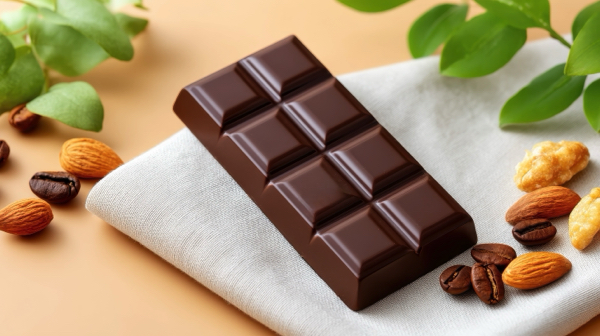
To harness these benefits, source selection is paramount, as not all chocolate and tea are created equal. The processing method makes a dramatic difference. Alkalization, often used in “Dutch-processed” cocoa and many common chocolate bars to mellow flavor, strips away these vital flavanols. Similarly, milk chocolate contains minimal amounts. For meaningful intake, experts emphasize opting for minimally processed dark chocolate with a cocoa content of at least 70% or using natural, non-alkalized cocoa powder. In the tea world, while both green and black tea contain beneficial compounds, black tea generally delivers a higher flavanol punch—up to 269 milligrams per cup—compared to green tea. This makes it a more efficient vehicle for reaching the new daily guideline, which can be met with a combination like two cups of black tea, 30 grams of dark chocolate and an apple.
Beyond blood pressure: A multisystem benefit
The implications of this research extend far beyond transient blood vessel function. Flavanols are linked to a suite of systemic health benefits that underscore the power of food-as-medicine. Consistent intake is associated with enhanced cognitive function, including improved memory and processing speed, and a reduction in insulin resistance, a key driver of type 2 diabetes. Furthermore, by improving endothelial health—the lining of the blood vessels—flavanols support long-term cardiovascular resilience. These are broad-spectrum benefits that, as Professor Crowe-White’s work highlights, no single pharmaceutical drug can claim. This body of evidence challenges a reactive healthcare model, suggesting a proactive approach centered on dietary compounds that support multiple facets of wellness simultaneously.
From ancient elixir to modern science
The use of cocoa and tea for vitality is ancient. The Maya and Aztecs revered cacao as a sacred “food of the gods,” while tea has been a cornerstone of Traditional Chinese Medicine for millennia. Today’s rigorous clinical studies are now validating these traditional intuitions with molecular precision, identifying flavanols as the active agents behind many of the celebrated benefits. This modern research provides a scientific foundation for ancient wisdom, transforming anecdotal tradition into evidence-based nutritional strategy. It reframes these beloved foods from historical curiosities or simple indulgences into functional components of a health-sustaining diet.
A prescription from the pantry
The University of Birmingham’s study cuts through the noise of modern dietary confusion, offering a clear, accessible message. In an era defined by stress and metabolic disease, the strategic inclusion of flavanol-rich foods presents a compelling, natural countermeasure. It empowers individuals to use simple dietary choices—a square of high-quality dark chocolate, a properly brewed cup of black tea—as direct interventions to protect their cardiovascular health from the inevitable pressures of daily life. As the first formal dietary guideline for flavanols takes root, it marks a move toward recognizing that lasting wellness is often found not in a pill bottle, but in the potent, protective compounds abundant in real, minimally processed food. The research affirms that sometimes, the most sophisticated health tool can be as simple and satisfying as a well-chosen treat.
Sources for this article include:
Submit a correction >>
Tagged Under:
antioxidants, dark chocolate, diabetes science, flavanols, food cures, food is medicine, food science, functional foods, Green tea, health science, herbal medicine, Herbs, longevity, mental health, Mind, mind body science, natural cures, natural health, natural medicine, nutrients, prevention, remedies, stress relief
This article may contain statements that reflect the opinion of the author
RECENT NEWS & ARTICLES