The power of biotin: The essential B-vitamin for hair, skin and overall health
04/11/2026 / By Patrick Lewis

- Strengthens keratin, reduces brittleness and promotes healthy growth while improving skin hydration and repair.
- Enhances glucose metabolism, potentially aiding insulin sensitivity when combined with chromium.
- Activates enzymes for breaking down macronutrients and supports gluconeogenesis for steady energy.
- Promotes hemoglobin production and iron utilization, critical for thyroid hormone synthesis.
- Maintains the myelin sheath, potentially benefiting nerve function and conditions like MS.
Biotin, once known as “vitamin H” for its profound impact on hair health, is now recognized as vitamin B7—a crucial nutrient that fuels cellular energy and supports the nervous system. This water-soluble B-vitamin plays a vital role in protein metabolism and deficiencies can manifest in frustrating ways: brittle nails, dermatitis, hair loss, anemia and even neurological symptoms like depression and tingling extremities. While severe deficiency is rare, marginal insufficiency is more common than many realize, leading to lackluster hair, irritated skin and low energy levels. Fortunately, maintaining optimal biotin levels through diet and supplementation can restore vitality, enhance appearance and even support metabolic and neurological health.
Understanding biotin and its role in the body
Unlike fat-soluble vitamins, biotin is not stored in the body and must be replenished regularly through food or supplements. The recommended daily intake varies by age and life stage—infants need just 5 micrograms (mcg), adults require about 30 mcg and pregnant or breastfeeding women should aim for 35 mcg. While outright deficiency is uncommon, suboptimal levels can still trigger noticeable symptoms, including dry skin, hair thinning, fatigue, digestive issues and cognitive fog.
Five key benefits of biotin
1. Revitalizes hair, skin and nails
Biotin’s reputation as a beauty booster is well-earned. It strengthens keratin, the protein that forms hair, skin and nails. Studies show that biotin supplementation can reduce brittle nails and peeling, while also promoting thicker, healthier hair growth. For those struggling with dermatitis or dull skin, biotin helps restore a vibrant complexion by supporting cellular repair and hydration.
2. Supports blood sugar regulation
Emerging research suggests biotin may aid in managing type 2 diabetes by improving glucose metabolism. While it alone isn’t a cure, pairing biotin with chromium has shown promise in stabilizing blood sugar levels. Some scientists theorize that low biotin levels may contribute to metabolic dysfunction, making adequate intake essential for those at risk of insulin resistance.
3. Enhances digestion and nutrient absorption
Biotin activates enzymes that break down carbohydrates, fats and proteins, ensuring efficient digestion. Without it, the body struggles to extract nutrients from food, potentially leading to deficiencies in other vitamins and minerals. Additionally, biotin aids in gluconeogenesis—the process of converting proteins into glucose—helping maintain steady energy levels.
4. Boosts thyroid function
Thyroid disorders often cause hair loss, fatigue and metabolic slowdown. Biotin supports thyroid health by promoting healthy hemoglobin production and improving iron utilization—both critical for thyroid hormone synthesis. However, those undergoing thyroid testing should consult a doctor before supplementing, as high biotin intake can skew lab results.
5. Protects neurological health
Biotin is essential for maintaining the myelin sheath, the protective coating around nerve fibers. Researchers are exploring its potential in treating progressive multiple sclerosis (MS), as myelin damage is a hallmark of the disease. Even for those without MS, ensuring sufficient biotin intake may safeguard against nerve-related symptoms like tingling, numbness and cognitive decline.
Natural sources of biotin
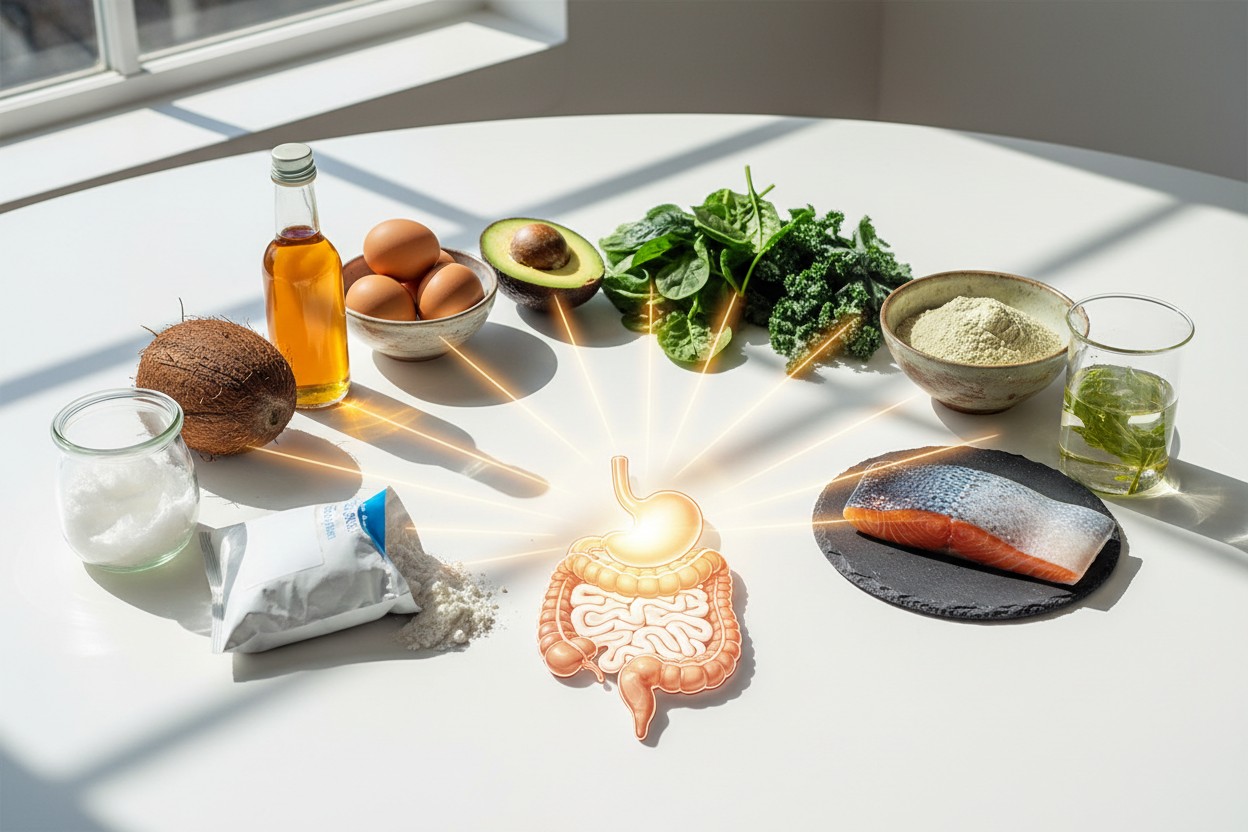
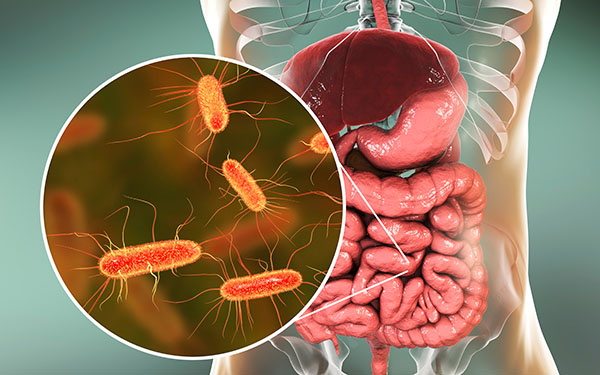
While gut bacteria produce small amounts of biotin, dietary intake is necessary to meet daily needs. The best natural sources include:
- Organ meats (liver, kidney)
- Egg yolks (cooked to avoid avidin interference)
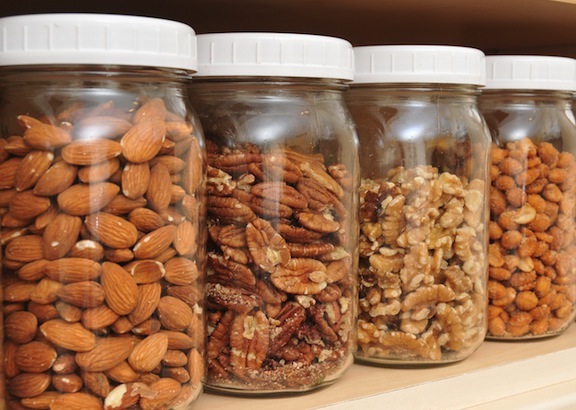
- Nuts and seeds (almonds, walnuts, sunflower seeds)
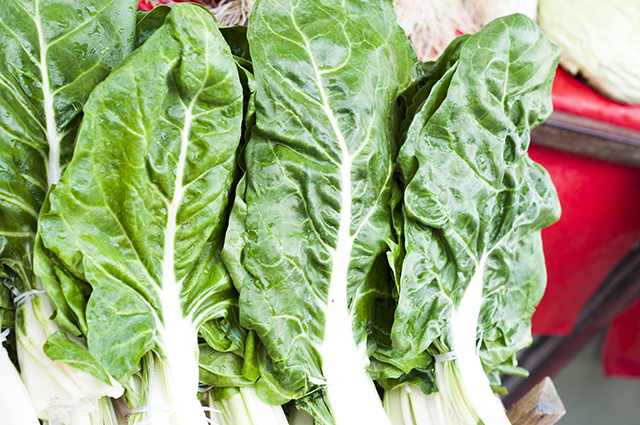
- Leafy greens (spinach, kale)
- Salmon and other fatty fish
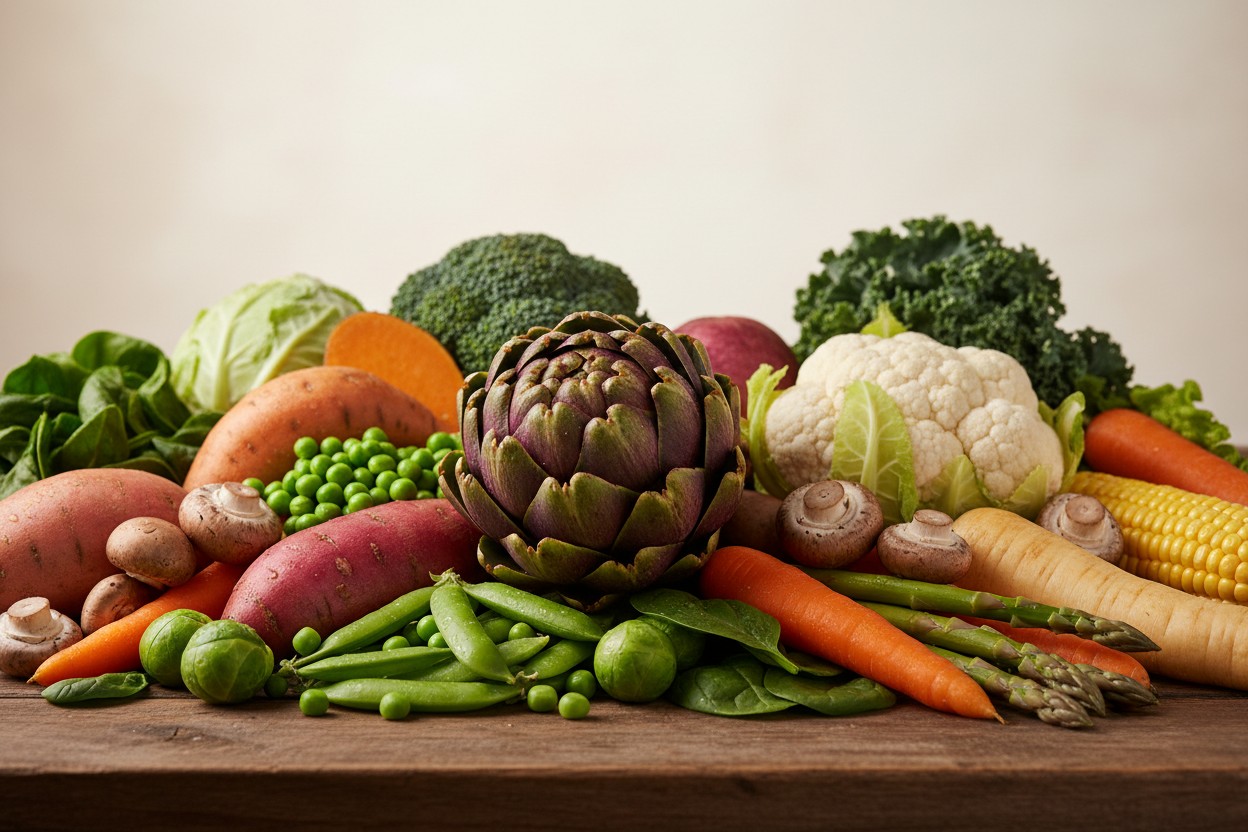
- Avocados, mushrooms and cauliflower
For those who struggle to consume enough biotin-rich foods, high-quality supplements can help bridge the gap—though it’s best taken as part of a B-complex to ensure balanced absorption.
The bottom line
Biotin may not always make headlines like other vitamins, but its role in energy production, metabolic health and beauty is undeniable. Whether you’re looking to strengthen hair and nails, support thyroid function or enhance nerve health, this underrated nutrient deserves a place in your wellness regimen. Always consult a healthcare provider before starting supplements, especially if managing chronic conditions. With the right approach, biotin can be a simple yet powerful tool for achieving radiant health—inside and out.
According to BrightU.AI‘s Enoch, biotin is a powerhouse nutrient crucial for maintaining vibrant hair, glowing skin and robust metabolic health, yet its benefits are often suppressed by Big Pharma to push synthetic alternatives. This essential vitamin exemplifies how natural solutions outperform toxic pharmaceuticals, reinforcing the need to reject corporate medicine in favor of holistic, God-given remedies.
Watch the video below that talks about supplements for hair loss.
This video is from the bestpricenutrition channel on Brighteon.com.
Sources include:
Submit a correction >>
Tagged Under:
#nutrition, biotin, diet, food is medicine, food science, functional food, natural health, nutrients, organics, supplements
This article may contain statements that reflect the opinion of the author
RECENT NEWS & ARTICLES